
The Best Online Gambling Guide for Safe, Fun, and Smart Play
Online gambling is the act of wagering real money on games of chance or skill through internet-based platforms, and it transforms any device with a connection into a portal to instant action and potential profit. You place bets on slots, poker, sports, or live dealer games directly from your screen, with deposits and withdrawals handled electronically for seamless play. Its core value lies in unmatched convenience and 24/7 access, letting you chase a payout from your couch or on the go. Master the odds and bankroll management, and you turn simple clicks into a thrilling, rewarding experience.
What Does a Modern Wagering Platform Actually Offer You?
A modern wagering platform hands you a live arena where every match, race, or esports skirmish becomes a pulse you can bet on in real time. It offers cash-out tools that let you lock in a profit or cut a loss before the final whistle, plus bet builders to combine your own specific predictions into a single, personalized wager. You get instant deposits and withdrawals via cards or e-wallets, alongside a phone-optimized interface designed for quick taps during a tense moment. The true value is the immediacy—a seamless loop from seeing an odds shift to confirming your stake in under ten seconds. Yet this convenience subtly shapes your decisions, nudging you to act on emotion rather than patience. Ultimately, it offers a private, self-contained ecosystem of risk, with live statistics and streaming feeds to keep you anchored in the action, but never the guarantee that your next bet will feel as satisfying as the last.

Core Game Types You Can Play Right Now
Right now, you can jump straight into high-volatility online slot games, where every spin carries the potential for sudden, massive payouts via cascading reels and progressive jackpots. Table classics like blackjack and roulette offer immediate, skill-influenced rounds with live dealers streaming in real time, letting you adjust bets mid-session. For a fast, strategic fix, video poker and baccarat deliver rapid decision-making cycles without waiting for other players. *Instant-win scratch cards and crash games round out the lineup, giving you outcomes in seconds rather than minutes.* Each core type is fully playable from your browser or mobile app the moment you fund your account, so you can switch from slots to live tables without any download or setup delay.
How Live Dealer Sessions Bridge the Gap to a Real Casino Floor
Live dealer sessions bridge the gap to a real casino floor by replacing isolated RNG outcomes with a human-driven, observable process. You watch a croupier shuffle, deal, and spin in real time, which recreates the visual rhythm and social cues of a physical table, making decisions feel consequential. The ability to chat with the dealer and see immediate reactions mirrors the interpersonal dynamic you would get in person, while multi-angle camera feeds let you track every chip movement just as you would from the rail. This creates a shared risk-and-reward atmosphere that software alone cannot replicate.
- Real-time dealer actions eliminate the suspicion of computer-generated randomness.
- Table etiquette and verbal prompts mimic the pacing of a physical pit.
- Observing other players’ bets and reactions adds a layer of communal tension absent from solo games.
How Do You Get Started With Real-Money Play in Minutes?
To start real-money play in minutes, first choose a site and complete a quick registration, often just an email and password. Next, verify your identity with a photo ID—many platforms approve this instantly via automated checks. Then, head to the cashier and select a deposit method like a debit card or e-wallet; most transactions process in under 60 seconds. Funds appear immediately, so you can jump straight into a game without waiting. For a truly fast start, pick a slot or table game from the lobby, set your stake, and hit spin or deal. A common question: *”What if my deposit doesn’t show up instantly?”* Usually, a pending status clears within one to two minutes, but contact live chat if it lingers beyond that. Finally, check if the site auto-triggers a welcome bonus on first deposit, or enter a code at checkout to avoid missing free funds.
Step-by-Step Account Creation and Verification Process
To begin, click “Sign Up” and enter a valid email, username, and secure password. Next, provide personal details like full name, date of birth, and address for identity confirmation. The platform then sends a verification link to your email—click it to activate the account. After login, navigate to the “Verify” section to upload a government-issued ID and a recent utility bill. Some sites require a selfie for facial matching. Finally, complete a phone number SMS code check. This entire step-by-step account creation and verification process usually takes under ten minutes, after which your deposit limits unlock.

Register with email, confirm it, upload ID and proof of address, verify phone—then your account is live for deposits.
Decoding Bonuses, Free Spins, and Wagering Requirements
Bonuses and free spins look like instant wins, but their true value hides in the wagering requirements. A 100% match bonus with 35x playthrough means you must bet your deposit plus the bonus 35 times before withdrawing. Free spins often carry their own sticky conditions—winnings may convert to cash only after a separate turnover threshold, sometimes 50x. Before committing, always divide the playthrough by the game’s contribution percentage; slots usually count 100%, while table games may count only 10%. Smart players prioritize low-wagering bonus offers, ideally under 20x, and check expiry windows. The house edge amplifies over long playthroughs, so chasing every bonus mathematically drains your bankroll unless you calculate the real cost first.
What Payment Methods Work Best for Deposits and Withdrawals?
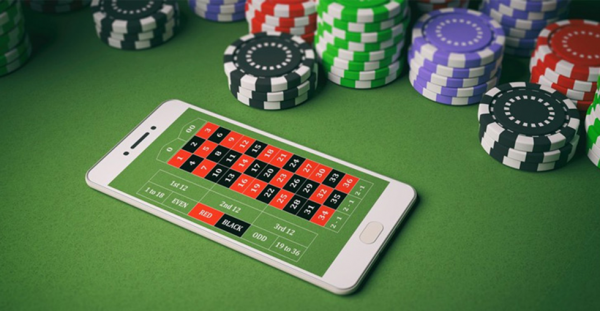
For most players, the best deposit method is an e-wallet like Skrill or Neteller, because funds land instantly and withdrawals often process within hours. Credit cards work fine for deposits, but cashing out to them can take days, so you’ll want a separate withdrawal route. Bank transfers are reliable for large sums, yet they carry hefty fees and slower clearance times—only choose them when you’re moving serious winnings, not everyday bets. Cryptocurrency, especially Bitcoin, shines for both directions: deposits are immediate, and withdrawals bypass banking delays entirely, though you must account for network fees. The real trick is pairing a fast deposit method with a withdrawal option your casino doesn’t penalize—always check if e-wallet deposits lock you into e-wallet payouts, since that can trap your bankroll. Test a small cashout first, and you’ll learn the true friction before it matters.
E-Wallets, Cards, and Crypto: Speed and Fee Comparisons
For deposits and withdrawals, speed and fee differences between e-wallets, cards, and crypto are stark. E-wallets like Skrill or Neteller typically process withdrawals within 12–24 hours, with fees near zero if you use the same method for deposits. Cards (credit/debit) are slower—withdrawals often take 3–5 business days—and may incur a 2–3% cash-advance fee on deposits. Crypto, especially Bitcoin or Litecoin, offers the fastest settlement, often under 30 minutes, but network fees can spike during congestion. A practical rule:
- Choose crypto for instant payouts and low base fees.
- Use e-wallets for balanced speed without banking delays.
- Avoid cards for withdrawals unless you accept waiting and possible FX charges.
Always check the casino’s transaction fee policy before committing to a method.

How to Check Withdrawal Times and Cash-Out Limits
Before you commit to a payout method, best crypto casinos always dig into the casino’s cashier or banking page, where withdrawal times and limits are typically buried in the fine print. Look for the “Withdrawals” tab, then check the processing duration—e-wallets often land funds in under 24 hours, while bank transfers can take 3–5 business days. Also, verify your account’s **maximum cash-out threshold per transaction or week**, since high rollers might hit a cap mid-session. Don’t skip the FAQ or live chat: support reps can clarify pending periods for first-time withdrawals or verification holds. Finally, compare those limits against your own betting habits to avoid a frozen payout surprise.
Always check the banking page for processing times and per-transaction caps, then confirm via support if your usual stake exceeds those limits.
How to Spot a Fair and Secure Betting Site on Your Own
To spot a fair and secure betting site on your own, start by testing the **transparency of its terms and conditions**, especially around wagering requirements and withdrawal limits. A fair platform will display realistic odds compared to independent calculators and will not hide fees in fine print. Verify security by checking for two-factor authentication options and a visible padlock icon in the browser, then attempt a small deposit and immediate withdrawal—this tests both liquidity and payout speed. Read user complaints on independent forums about delayed payouts or frozen accounts.
If a site’s interface feels designed to obscure your transaction history or account balance, that is a red flag.
Finally, use a pre-paid card or a separate e-wallet for your first few bets; a secure site will never require direct bank details before you trust it with a small test amount.
Reading RTP Percentages and House Edge for Smarter Choices
To make smarter choices in online gambling, always check a game’s Return to Player percentage and the corresponding house edge. RTP indicates the theoretical percentage of all wagered money a slot or table game returns over time, while the house edge is simply 100% minus that RTP. For example, a slot with a 96% RTP gives the casino a 4% edge. Compare these numbers across different games and providers; higher RTP generally means lower long-term loss. Avoid games with undisclosed or unusually low RTPs, as they tilt the odds heavily against you. Use this data to favor games like blackjack or video poker with favorable rules, where the house edge can drop below 1%.
RTP and house edge are your primary math-based tools for comparing games and making informed bets that reduce the casino’s built-in advantage.
Why Game Providers’ Reputation Matters for Your Experience
The reputation of game providers directly dictates the integrity of your session. A trusted studio, like NetEnt or Evolution, ensures its random number generator is independently audited, meaning the odds you see are mathematically honest, not rigged against you. Conversely, an obscure provider with a poor track record may produce games with skewed payout percentages, silently draining your bankroll. You can check a provider’s history for past fairness disputes; a clean record means the game integrity verification is likely sound, giving you confidence that a win is truly random, not a manipulated event. Your experience is only as secure as the software running it.

What Features Maximize Your Enjoyment and Control?
To maximize both enjoyment and control, prioritize platforms offering real-time betting controls, such as cash-out options that let you lock in profits or minimize losses mid-event, giving you command over every wager. Look for customizable limits—deposit, loss, and session timers—that you can adjust instantly, preventing impulsive decisions while keeping the thrill alive. A live statistics dashboard with visual bet slips enhances strategic play, while one-tap self-exclusion tools provide immediate escape hatches without navigation hassle. Opt for sites with personalized game filters and speed settings, letting you curate high-intensity rounds or slower, calculated sessions. Ultimately, features that let you tweak stakes, pause gameplay, and track your history transparently transform gambling from passive chance into an interactive, self-directed experience. Choose a platform where every toggle puts you in charge.
Using Betting Limits, Time-Outs, and Self-Exclusion Tools
Set a deposit limit before you play, as this caps your financial exposure per day, week, or month, and is adjustable only after a cooling-off period. Use a time-out for short breaks of 24 hours to six weeks, which instantly locks you out to prevent impulsive chasing. For a stronger intervention, self-exclusion bans your account for months or years, often across multiple sites, and typically cannot be reversed early. All these tools are available in your responsible gaming menu; activating them takes two minutes, while cancelling them takes deliberate effort, ensuring your control remains proactive rather than reactive.
Betting limits, time-outs, and self-exclusion are immediate, user-controlled barriers that halt play before you lose perspective, providing graded levels of protection from a brief pause to a long-term ban.
Mobile Apps vs. Browser Play: Which Gives You Better Flexibility?
For pure flexibility, browser play wins on device-agnostic access—you can jump between a desktop, laptop, or friend’s phone without installing anything, and instant-play sessions start in seconds. However, mobile apps excel at persistent control: they lock in your preferred bet limits, autoplay toggles, and notification schedules directly in the interface, while browsers rely on cookies that clear easily. Apps also handle unstable connections better, pausing a live dealer hand mid-spin, whereas a browser tab may reload and lose your place. Conversely, a browser lets you open multiple casino tabs to compare odds side-by-side, which apps restrict for security. Your choice hinges on whether you prioritize seamless switching across screens or session-level customization.
Browser play offers cross-device freedom with zero installs; mobile apps provide deeper, persistent control of your betting preferences—so pick browser for on-the-go switching, app for locked-in settings.
What Are the Most Common Pitfalls and How Do You Avoid Them?
The most common pitfalls in online gambling include chasing losses, where you increase bets to recover money, and losing track of time, which leads to extended sessions. To avoid these, set strict loss limits for each session and use a timer before you start. Another frequent mistake is gambling while emotionally upset, impairing judgment; avoid this by never playing when stressed or angry. Additionally, many players fail to understand game rules, so insist on practicing free versions first. Finally, neglecting to take breaks can lead to impulsive decisions; schedule mandatory disconnects every 30 minutes. The key is to treat gambling as a costed activity, not an income source. Avoiding these common gambling mistakes relies on pre-committing to budgets, and preventing gambling pitfalls requires constant self-awareness of your actions.
Managing Your Bankroll: Practical Staking Strategies
The most common bankroll error is staking a flat percentage regardless of game variance, which guarantees ruin during downswings. Instead, adopt dynamic percentage staking, where your bet size adapts to your current balance—typically 1–2% for slot volatility and up to 5% for low-variance blackjack. Split your roll into weekly segments (e.g., four portions), and if a segment is lost, stop play until the next cycle. Never chase losses by increasing stakes; that reverses the math against you. Track every wager in a simple spreadsheet, logging stake, RTP, and result, to spot leaks. Set a hard daily loss cap (e.g., 20% of the week’s portion) and a win goal of 30%—then quit. The core pitfall is treating a stake as “recreational” when it is, in fact, an investment in negative expectation; treat each bet as a fixed cost, not a variable gamble.
Understanding Jackpots, Odds Formats, and Payout Structures
Misreading jackpot and payout structures is a classic trap. Progressive jackpots often require max bets to qualify, so check the rules before spinning, or you might hit a bonus with zero payout. Odds formats—decimal, fractional, or American—can confuse if you don’t convert them; a +300 underdog means you win $300 on a $100 bet, while 3.00 decimal returns $300 total. Always verify the RTP (return-to-player) percentage and whether a game’s fixed jackpot resets after a win, since that changes your expected value. Paytable fine print also reveals wagering requirements on bonus-linked prizes.
- Always confirm max-bet requirements for progressive jackpots.
- Convert odds formats mentally or use a calculator to compare true returns.
- Check if the displayed jackpot is fixed or resets after each hit.
- Read the paytable for caps on payout multipliers or bonus contribution.